
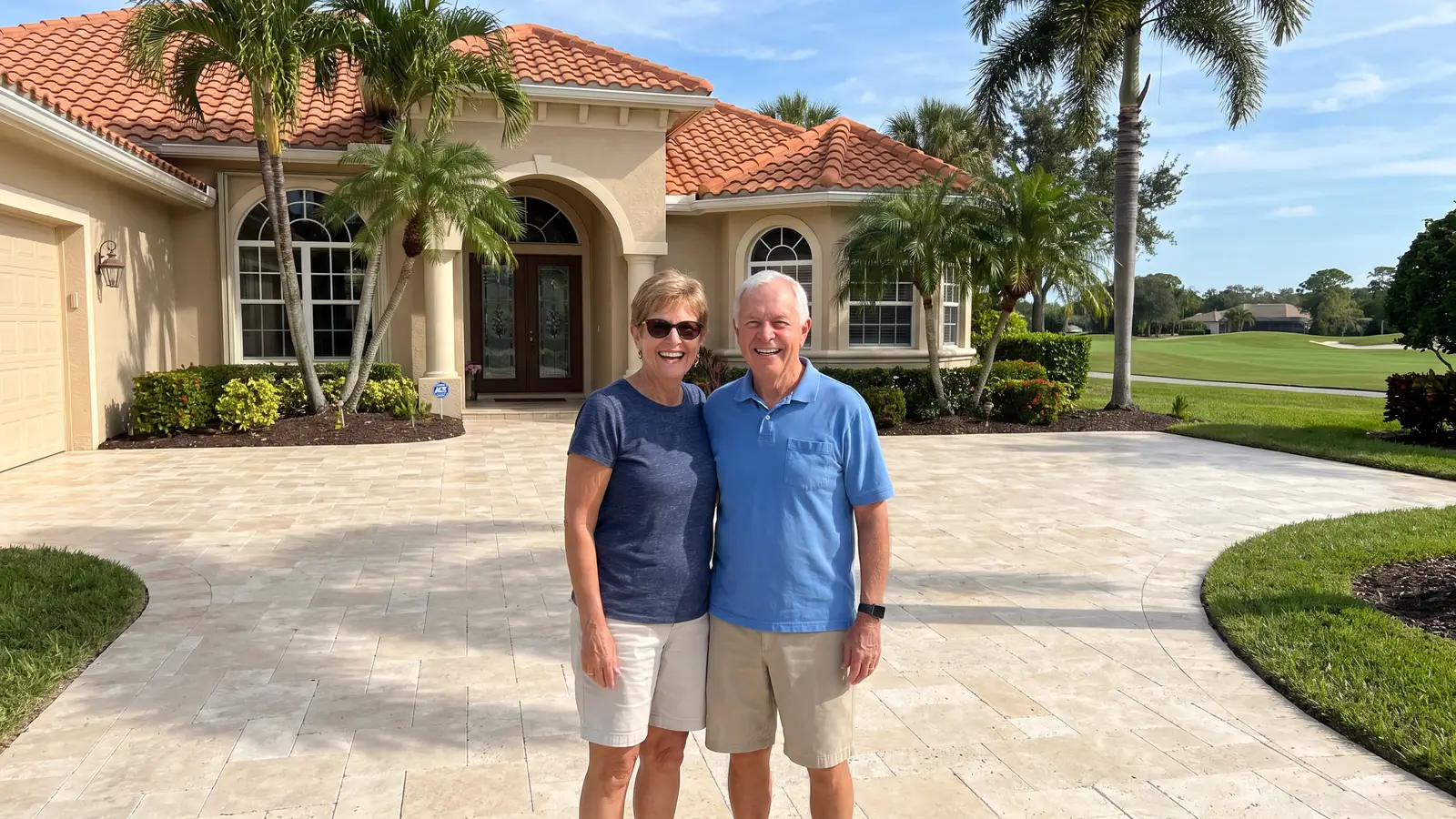
Paver sealing for St. Augustine homes
Paver Sealing in St. Augustine, FL
In the Ancient City, tides and summer rain test pavers, so call (904) 849-6284 for a free St. Augustine sealing estimate.
- Brings out deeper paver color
- Fresh joint sand helps lock pavers in place
- Gives weeds less room to grow
- Makes the surface easier to keep clean
- Free estimate, no obligation
Request a Free Estimate
Free, no obligation.
Fast, careful paver sealing in St. Augustine
For paver sealing in St. Augustine, the first step is a free estimate, and a local contractor then cleans, re-sands and seals. If you ask for your free estimate, expect an answer within 1 business day, usually much sooner. That covers drives, walks, courtyards and pool decks around the city.
Imagine a courtyard that stays damp after the tide and the rain have both had their say. The stones look dull and the joints have thinned. Washing, sand and sealer restore the color, so call (904) 849-6284 and describe your own.
St. Augustine is old, and its streets and lots vary a great deal. Share your street, your ZIP and the surfaces you want done, whether a drive, a courtyard or a pool deck. If a form suits you better, you can ask for your free estimate and fill in those few lines.
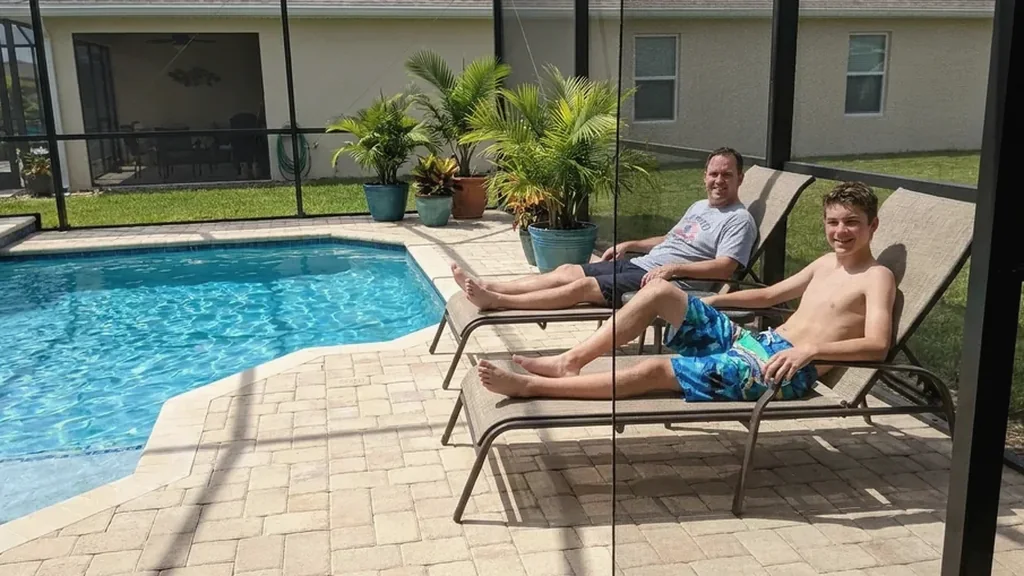
Why hire a local paver sealing contractor in St. Augustine?
People in St. Augustine turn to a local paver contractor because tides, wet ground and historic streets all change how a job should go. To learn how that plays out on your block, ask for your free estimate.
A free first visit
A pro measures your St. Augustine pavers and writes a quote with no fee. The figure comes first.
A price band to check
The clean, sand and seal is often published at $1.75 to $3.25 per square foot across Northeast Florida. Test any St. Augustine quote against that band.
A finish for the street
Matte suits an older block and hides scuffs. Wet look adds depth, though the tire lanes show wear on it earlier.
The decision stays yours
You set the date, the sheen and the scope. A St. Augustine estimate is optional to accept.
Get Your Free Estimate in St. Augustine
Tell us about your pavers in St. Augustine.
Free, no obligation
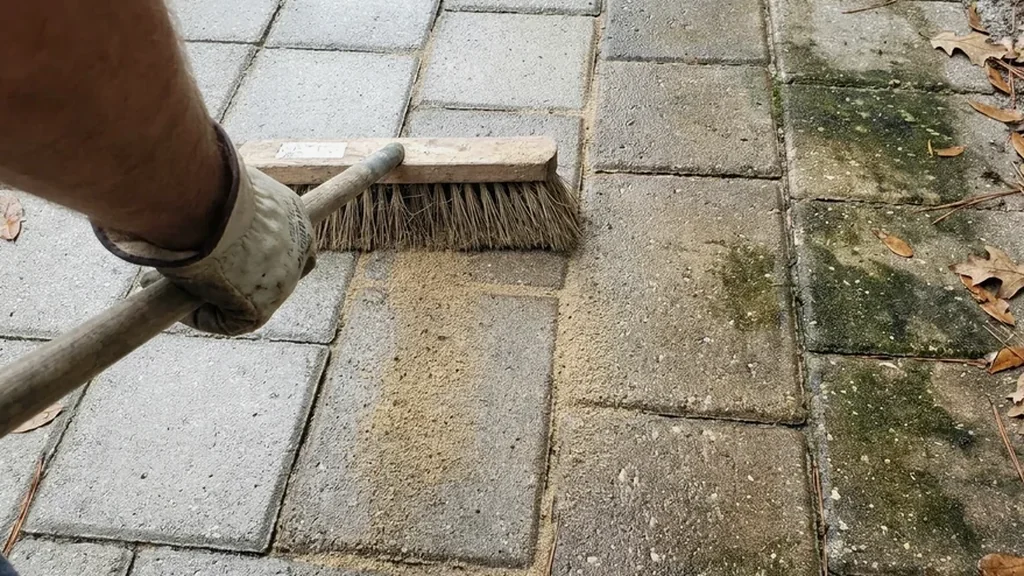
What paver problems show up most in St. Augustine?
Rain and high tide on the same day
The city says it can flood when regular rain falls at the same time as high tides, and it names Hospital Creek, Oyster Creek and Salt Run among the water bodies that matter. About 90 percent of residents live in a floodplain. Water that rises over pavers carries silt into the joints and takes sand out. In October 2025 a nor'easter and king tides put much of downtown underwater. A contractor checks for both before sealing. A coat laid over silt would lock the silt in. Sunny days can flood a low block when a king tide and a light shower line up. Salt Run, Oyster Creek and the San Sebastian River all sit near the old blocks, so water can come from several sides.
Joints thinned by summer downpours
NOAA averages show 7.18 inches of rain each August and September in St. Augustine, and about 118 days a year with some rain. One local paver company says installs here mostly used play sand, which each storm and sprinkler cycle thins out. Open joints fill with dirt and weeds, and the edges lose support. New sand before sealer fixes that. A reseal over empty joints would not hold for long. The Nights of Lights festival also fills the historic district each winter, which brings visitor traffic and parked cars to many blocks. Hurricane Matthew in 2016 and the nor'easter of October 2025 left silt on many streets, and silt in joints holds moisture.
Salt and wind near the water
University of Florida extension says coastal Florida deals with winds, inescapable salt and sandy soils. St. Augustine sits beside Matanzas Bay and Salt Run, so salt air reaches the older blocks, and the wind carries it inland. Pavers there can dull faster. A fresh wash and coat help the surface shed grime, and sealed stones rinse clean more easily. Fresh salt spray dulls a plain surface faster than a sealed one. City records note more than 5.5 inches of rain in 24 hours in September 1995 and 6.5 inches from Tropical Storm Gabrielle in 2001. Coquina walls and old brick edge many lots, and rinse water near them is kept gentle.
Ground that drains slowly
The city says some soils in the area do not drain well. After Hurricane Matthew in 2016, water reached Davis Shores, Lincolnville, the Historic Districts and parts of Abbott Tract. Pavers over wet ground can settle, and a low spot near a drain collects water. A dip would be sealed in as it is, so sunken stones get reset before the coat. A low spot catches water and stays wet well after the rain stops. Near a drain, a dip keeps collecting water and stays wet long after its neighbors dry. Davis Shores, Lincolnville and the Historic Districts all took water in 2016. The city's 2008 policy to repair brick streets shows how much of the paving here is meant to last.
Shade and damp beside old walls
Older St. Augustine lots often have tall trees, walls and tight courtyards. Landscape Ontario's guide says moss and algae need shade and constant damp. A courtyard that gets little sun can stay green for weeks after a storm. A wash clears it, but the shade remains, so the green may come back sooner than on a sunny drive. Brick and coquina paving downtown shows how long stone can last when it is cared for, and sealed pavers can follow that lead.
Do paver jobs differ between the old districts and newer streets?
Yes, mostly in the paperwork and the age of the pavers, and a little in the care taken near old walls. Lincolnville was listed on the National Register in 1991, and Fullerwood Park followed in 2010. Whether a review applies depends on your address, so tell the contractor which district you are in when you ask for your free estimate.
The city's Historic Architectural Review Board meets on the third Thursday of each month. Its fee schedule lists site work and site features for single-family homes at $250 plus advertising costs. Whether sealing counts is a question for city staff, since the fee page does not name it. Call (904) 849-6284 and your contractor can describe the work to the city.
Davis Shores, Abbott Tract and the streets near Hospital Creek all felt flooding in 2016, according to the city. Pavers there may carry silt and settled spots, and some may have been set on soft ground to begin with. A contractor looks for both before a coat goes on, and a repair comes first when the ground has dropped. Mention your street and any past water when you ask for your free estimate.
What does paver sealing cost in St. Augustine?
Prices published around Northeast Florida for a clean, sand and seal run $1.75 to $3.25 per square foot. A St. Augustine courtyard may be small, while a pool deck and drive on a bigger lot add up. Silt, lost sand and old coats push the rate toward the top. To get a number for your own pavers, ask for your free estimate, and the visit is free.
Access matters too. Tight lots near older streets can mean carrying gear by hand, which adds time, while a long open drive is simpler. Call (904) 849-6284 to hear which of these fit your lot, before any date is set.
Repairs are priced apart from sealing, since a sunken spot needs a firm base before any coat goes on. Brick and concrete pavers are measured the same way, by the square foot. To see what your lot would cost, ask for your free estimate and describe the area.
| Paved area | Typical example | Clean, sand and seal |
|---|---|---|
| 300 sq ft | Small patio or walkway | $525 to $975 |
| 600 sq ft | Two car driveway | $1,050 to $1,950 |
| 1,000 sq ft | Large driveway or pool deck | $1,750 to $3,250 |
| 1,500 sq ft | Driveway plus pool deck | $2,625 to $4,875 |
Math based on the $1.75 to $3.25 per square foot that Northeast Florida paver companies published as of November 2026. Your contractor sets the actual price after seeing the surface. Repairs, leveling and stripping failed sealer are usually extra.
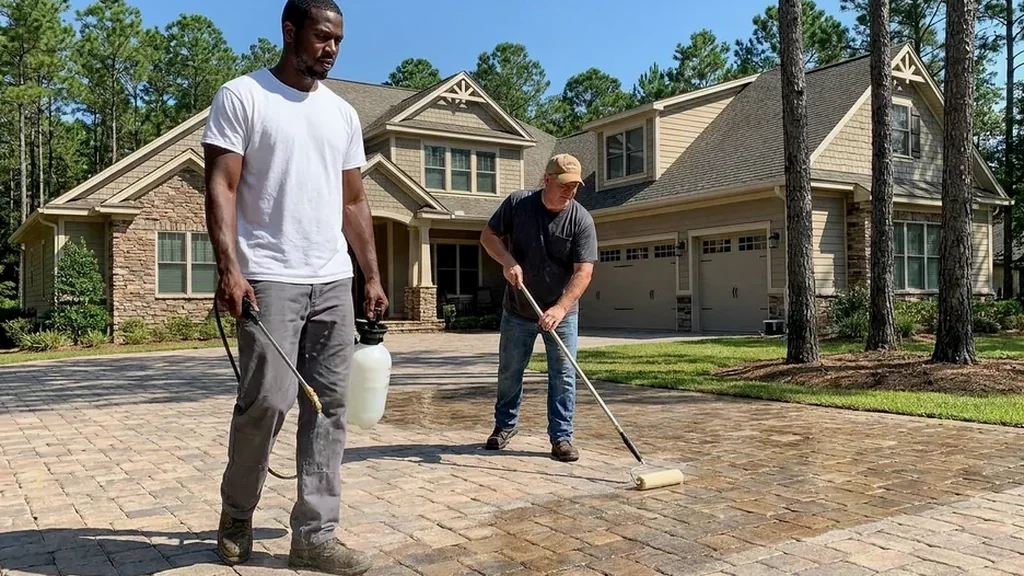
How does a paver sealing job work in St. Augustine?
Look and listen
The contractor walks your pavers with you and asks about past flooding, shade and any earlier coat. Photos of high-water marks help. Low stones are flagged first. An older coat is checked, because a water-based coat does not go over a solvent-based coat. You hear the price before work begins, and you can ask for a smaller scope. A short list of problem spots saves time on the day. Because about 90 percent of residents live in a floodplain, the crew asks about your flood history.
Wash away silt and film
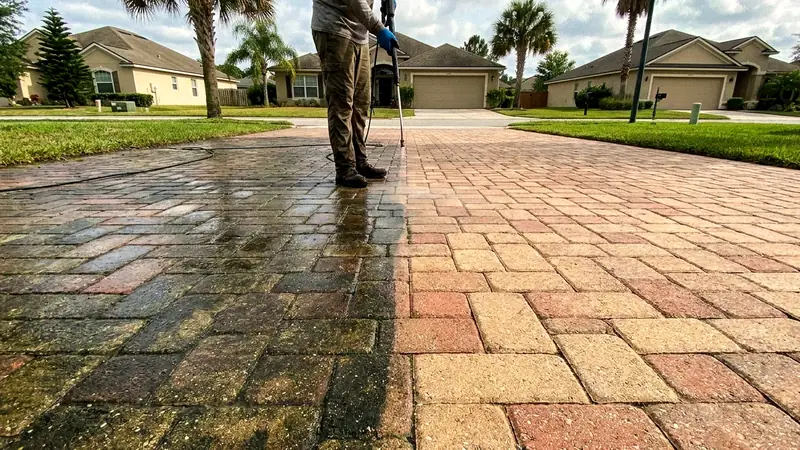
The wash lifts tire marks, green film, white haze and any silt left by high water, and it shows how much sand is left. Joint sand comes out with it. Rinse water is kept off old walls and plants, since runoff can mark soft masonry. Then the pavers dry, and a damp courtyard may need an extra day. Visitor traffic is common in the city, so the crew plans where trucks park.
Refill the joints
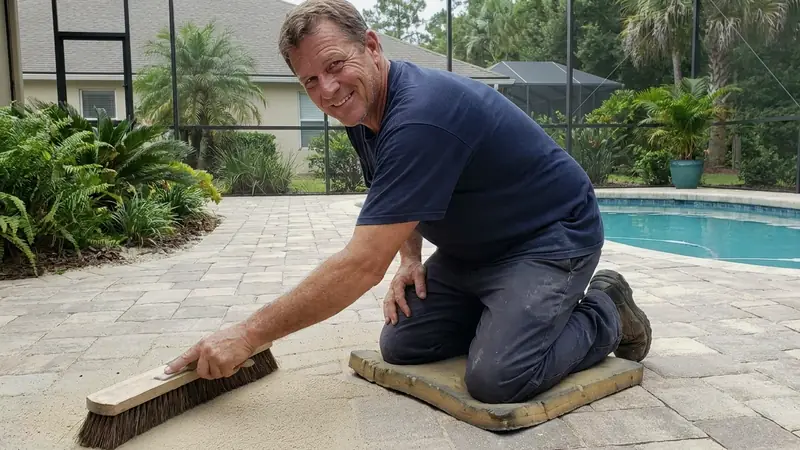
Fresh sand goes into each joint and is swept in until it is full, then the extra is brushed off the surface. Because storms strip sand quickly, each joint is filled to the brim and worked until it takes no more. Tight joints hold the stones together, even where cars turn on a small drive. Joints near drains and low corners often need the most sand.
Spray and back-roll
The sealer is sprayed, and a roller then presses it into the joints and smooths it, preventing lap marks. Puddles of product are avoided, because pooled sealer clouds and resists repair. The finish you picked is built up in light layers. Wall and door edges get a slower pass.
Let it cure
Walking resumes within hours, while cars sit out about a day. After it sets, a little water should bead on the stones, and if it soaks in, the coat is thin. The contractor reviews the finished job with you and takes your care questions. Ask when the next coat should go on, and write the month down. A reminder on your phone keeps the cycle easy.
Complete paver services in St. Augustine
Read the job like a tide table, one stage after another. First look for sunken stones, then wash, then pack in fresh joint sand, then seal. After a flood or a king tide the wash also clears silt, and a second rinse checks the joints. To learn what your job would hold, ask for your free estimate.
Drives, courtyards, walks and pool decks wear differently here. Salt and damp reach the coastal blocks, shade grows green film, and tires work on the drives, so each surface gets its own plan. Brick and concrete can want different products, and pool decks need grip. Call (904) 849-6284 and name what you have.
Matte keeps the natural color, hides scuffs and suits older blocks. Many Jacksonville-area clients pick semi-gloss, a local contractor says. A wet look wears sooner and can turn cloudy on damp stones. A water-based coat will not bond over a solvent-based one, so ask for your free estimate and share what you know about any earlier coat.
Winter is the driest season in St. Augustine, with November averaging 2.32 inches of rain against 7.18 in August. Sealer needs a dry surface, so cooler months are a calm time to book, though any dry stretch will do. Cars wait about a day. Call (904) 849-6284 to ask about open dates.
Questions to ask before you hire
- How many dry hours do you need before and after the sealer goes on?
- What will your estimate list, line by line, so I can compare it with other quotes?
- Can you tell by looking whether the old sealer has to be stripped before the new coat goes on?
- Does someone need to be home while you work, or only for the final walkthrough?
- How far out are you booking right now?
- Does my community's architectural review board need to sign off on the finish first?
- Do you wash with hot water or cold water, and how much pressure do you use on pavers?
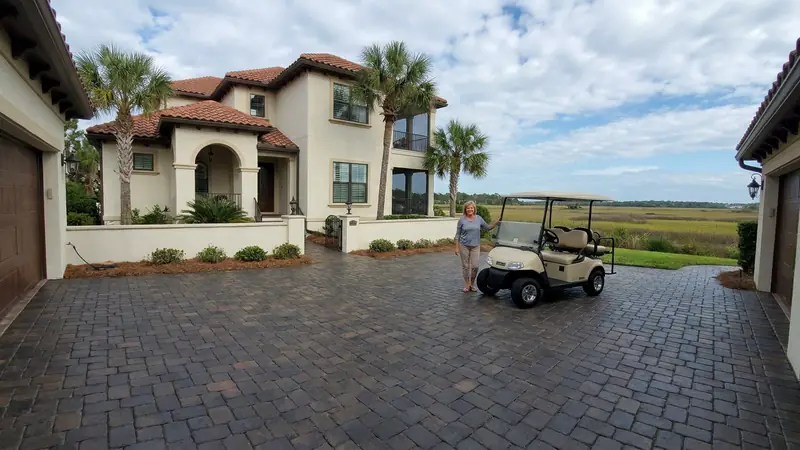
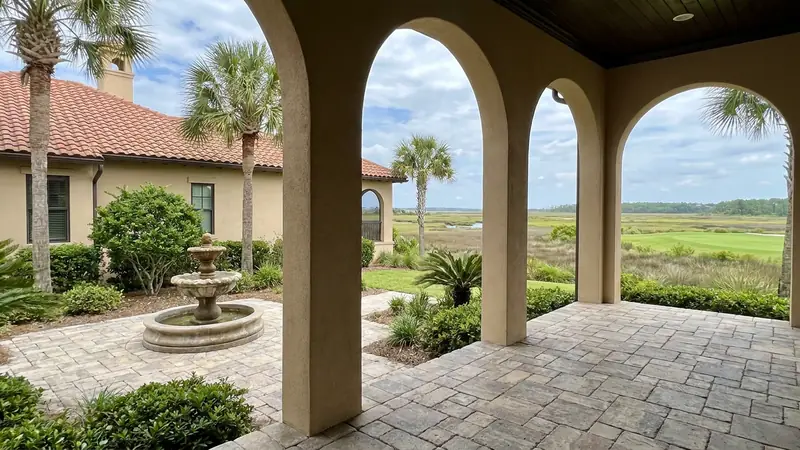
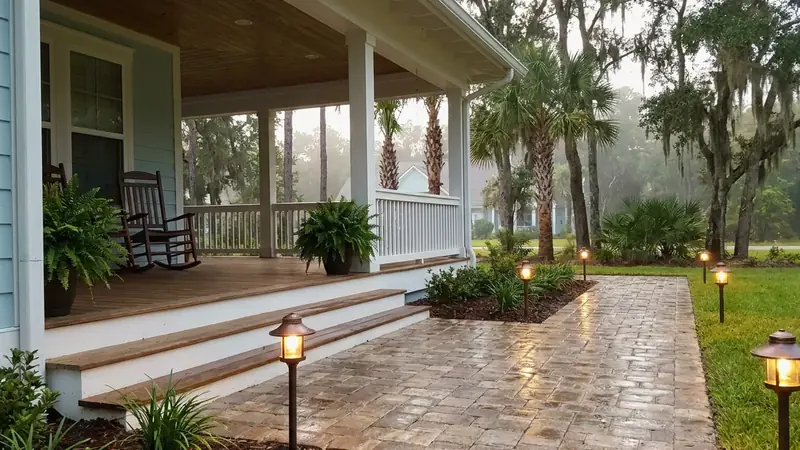
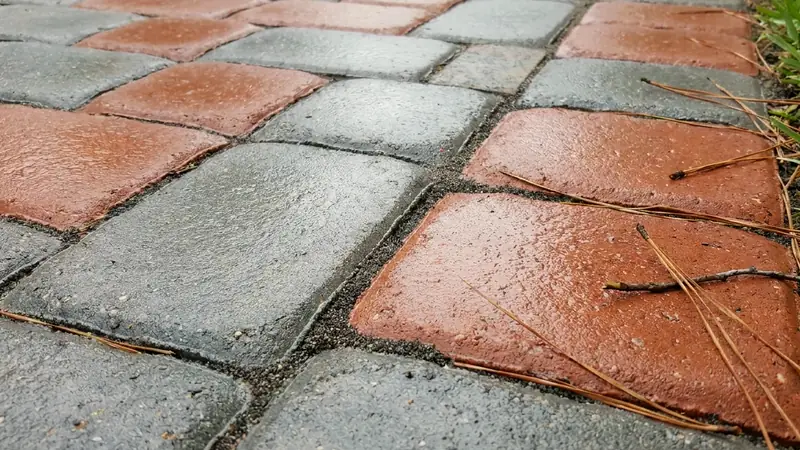
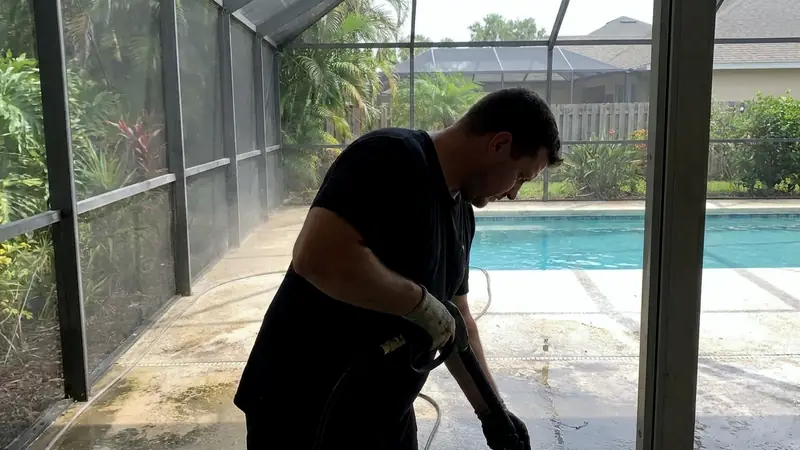
What do sealed pavers look like around St. Augustine?
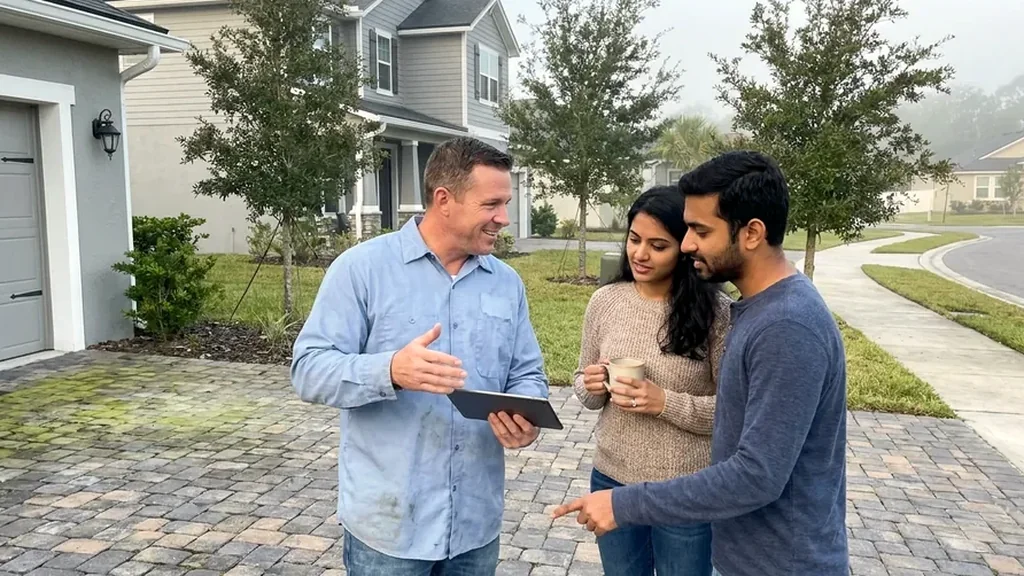
Why local matters in St. Augustine
A contractor who works in St. Augustine knows which blocks flood, which stay dry and which have shaded courtyards. That saves guesswork on bedding and sand, and it keeps the first call short. Share your street when you ask for your free estimate, and an answer comes inside 1 business day, usually much sooner.
Local work includes reading the tides. King tides come on new and full moons, and the city has seen downtown streets underwater on sunny days. A nearby contractor times the work for that, so the stones are dry when sealer goes on and the coat does not cloud. Call (904) 849-6284 and ask what your block would need.
Busy streets and visitor traffic make timing matter in St. Augustine. A local contractor can plan arrival times and where the truck sits. To pick a time, ask for your free estimate and list the days you are free.
Which St. Augustine do you mean when you ask for a quote?
The city itself had 14,329 people in 2020, but the urban area around it is 91,786, so many people who search for St. Augustine live just outside the city line. Seven ZIP codes touch St. Augustine, from 32080 to 32095. Give your street and ZIP when you ask for your free estimate, so the contractor knows which part you mean, and the paperwork goes to the right place.
Landmarks help too. The Bridge of Lions, Matanzas Bay, Salt Run and the San Sebastian River all shape the city's edges, and the downtown streets use brick and coquina. Say which one is near you when you call (904) 849-6284, and the contractor will know the area.
Brick has a long history here. The city adopted a policy in 2008 to repair and replace existing brick streets slated for maintenance, and downtown blocks were rebuilt with brick and coquina. If your own brick or paver walk has lost its color, you can ask for your free estimate and ask what a refresh would take.
Frequently Asked Questions
In St. Augustine, what is the average cost to seal pavers?
Around Northeast Florida the usual published range is $1.75 to $3.25 per square foot for a clean, sand and seal. The total depends on area, condition and repairs, and flood silt can add washing time. A free estimate gives you the real number, and it takes the guesswork out.
How much does it cost to seal outdoor pavers?
A small courtyard costs less in total than a big pool deck, even at the same rate, because the area is what changes the bill. Old coats, silt and lost sand push the price up, and a sunken spot adds a repair. Get the rate and the square footage, then confirm the total yourself. The contractor measures every surface. Small jobs can carry a minimum charge. Davis Shores and Anastasia Island lots can differ from inland lots, so mention where yours sits.
What are the downsides of sealing pavers?
A wet look shows scuffs sooner, and sealer over damp pavers can turn cloudy, which is hard to fix without stripping. A water-based coat does not go over a solvent-based coat. A contractor can explain the trade-offs for your pavers. Many owners find the trade is worth it for the easier cleaning.
How long does paver sealing last in St. Augustine?
Quotes from companies usually run two to five years between coats. A St. Augustine company plans a reseal every 2 to 3 years, checking the stones once a year. Heavily used drives lean toward the short end. If water beads on the stones, the coat still works.
Does St. Augustine's historic board need to approve paver sealing?
That depends on your property and its district. The board's fee page lists site work for single-family homes but does not name sealing. Ask city staff, and your contractor can describe the job. It is wise to ask before you book, not after. A short note describing the work often settles the question. The Historic Architectural Review Board meets on the third Thursday of each month if a review is needed.
Do new St. Augustine pavers need sealing right away?
Not right away, and a new owner should not feel rushed. Two St. Augustine companies advise a 60 to 90 day wait, which lets moisture and white haze leave first. After that, plan a first coat; a contractor can look at yours and say if it is ready.
In St. Augustine, how many hours until a sealed driveway can take cars?
Allow about a day before cars return, more if the weather is damp. Walking is usually fine within hours. The contractor gives you a time. Street parking for a night keeps things simple.
In St. Augustine, how soon does a quote request get an answer?
A St. Augustine request is answered inside 1 business day, and often within hours. The estimate is free, and asking commits you to nothing. Give your street, your surfaces and any history of high water. A short list is plenty, and photos are a bonus.
Ready for a Free Estimate in St. Augustine?
Call (904) 849-6284 and tell us about your pavers.
Free, no obligation